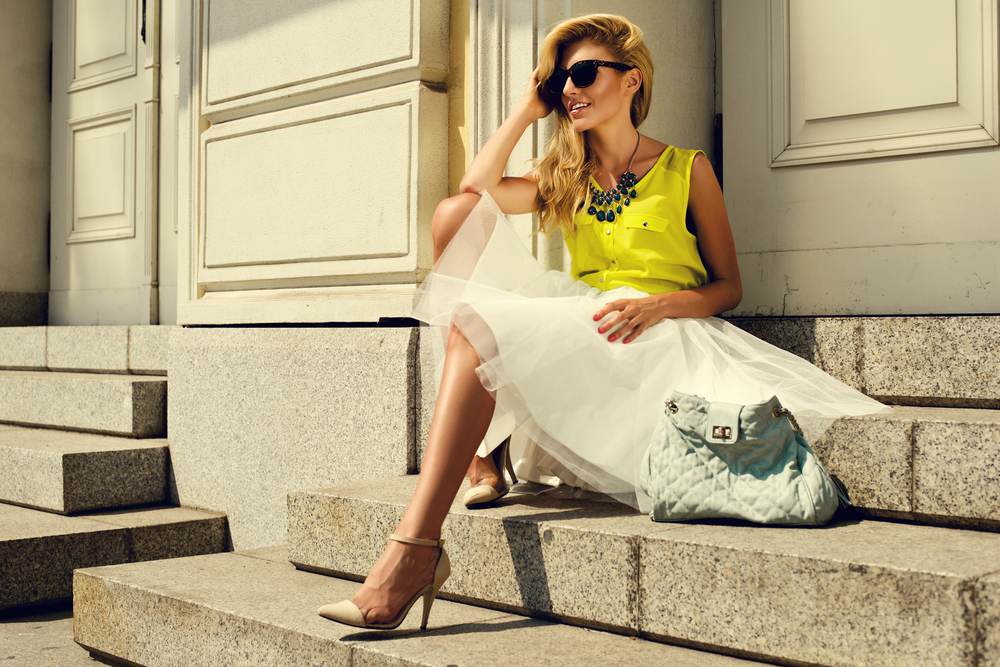
Welcome to the fascinating world of modelling , where creativity meets transformation, and beauty takes center stage. With its ability to capture attention and evoke emotions, modeling is not just about posing in front of a camera; it is an intricate craft that requires skill, dedication, and adaptability. In this article, we will explore the art of modeling and shed light on the secrets behind the fashion industry's quintessential craft in photoshoots.
The Evolution of Modeling
Modeling has a rich history that spans centuries, from ancient sculptures and paintings to the iconic fashion industry we know today. Over time, the concept of modeling has evolved, reflecting the changing standards of beauty and societal trends.
During the 20th century, the world witnessed the rise of the fashion industry, and modeling became an essential part of marketing and advertising. Models became more than just mannequins, they became personalities, muses, and symbols of aspiration.
Today, the industry celebrates diversity and inclusivity, embracing models of all genders, sizes, and ethnicities. The art of modeling has evolved to showcase the beauty and uniqueness of individuals while challenging traditional beauty standards.
The Role of a Model
A model is not simply a pretty face; they are the embodiment of a designer's vision, an interpreter of concepts, and a storyteller. Models bring clothes to life, showcasing their versatility and highlighting their best features.
When preparing for a photoshoot, models collaborate with a team of professionals, including photographers, stylists, and makeup artists, to create the desired vision. They must possess the ability to adapt to different styles, poses, and expressions, all while maintaining their own signature look.
Models are expected to showcase a range of emotions and convey a message through their body language and expressions. They must be able to connect with the audience and captivate their attention, making the viewer feel an emotional connection with the garments being showcased.
To master the art of modeling, one must develop discipline, body awareness, and the ability to adapt to diverse environments and demands. It requires continuous practice and a strong work ethic to consistently deliver outstanding performances.
The Modeling Process
Behind a successful photoshoot lies a well-organized process that ensures the seamless execution of a designer's vision. From casting to post-production, every aspect is meticulously planned and executed to achieve the desired outcome.
Casting: Casting directors play a crucial role in selecting the right models for a photoshoot. They consider the requirements of the campaign, the target audience, and the chosen concept. Models with the right look, experience, and ability to portray the desired message are chosen.
Preparation: Before the shoot, models prepare mentally and physically. They work on their poses, study the concept and designer's vision, and ensure they are well-rested and in optimal condition. This preparation helps models feel confident and ready to bring the designer's creations to life.
Collaboration: On set, models collaborate closely with the creative team. They receive guidance from the photographer on desired angles, lighting, and mood. They work with the stylist to ensure the proper presentation of garments and accessories. Makeup artists and hairstylists enhance the model's look, completing the overall aesthetic of the shoot.
Posing and Expression: Models understand the importance of body posture, angles, and facial expressions. They learn to strike a balance between appearing natural and showcasing the intended message. They experiment with different poses, aware of how each movement will affect the overall composition.
Adaptability: Models often face unexpected challenges during a photoshoot, such as adverse weather conditions or technical difficulties. The ability to adapt and maintain professionalism in any situation is crucial for success. Models remain focused and resilient, ensuring the final images capture the desired essence.
Post-Production: After the shoot, the creative team enters the post-production phase. Photographers select the best images and enhance them through various editing techniques. Retouching may be used to adjust lighting, remove imperfections, or create a particular mood. The final images are then ready to be shared with the world.
Frequently Asked Questions
1. How do models prepare for a photoshoot?
Models prepare for a photoshoot by practicing their poses, studying the concept, and ensuring they are physically and mentally prepared. They collaborate closely with the creative team and make necessary adjustments to their look, such as hairstyles, to align with the desired vision.
2. How important is diversity in the modeling industry?
Diversity is extremely important in the modeling industry. It allows for a broader representation of beauty and helps challenge traditional beauty standards. Embracing diversity ensures that people from all walks of life can connect with the industry and see themselves represented.
3. How do models work on their posing and expressions?
Models work on their posing and expressions through practice and study. They learn to understand their body's angles, how to create fluid movements, and how to express a range of emotions through their face and body language. Regular practice and feedback from professionals help them refine their skills.
4. What qualities make a successful model?
Successful models possess qualities such as discipline, adaptability, professionalism, and the ability to take direction. They have a strong work ethic and continuously strive to improve their skills. Confidence, a unique look, and the ability to connect with people also contribute to a model's success.
5. What should aspiring models keep in mind?
Aspiring models should remember that the industry is highly competitive, and rejection is a part of the process. They should focus on developing their skills, building a strong portfolio, and maintaining a positive attitude. Surrounding themselves with a supportive network and seeking professional guidance can greatly enhance their journey in the world of modeling.
In conclusion, modeling is an art form that requires talent, hard work, and adaptability. Models are not just faces; they embody the vision of designers and tell stories through their poses, expressions, and body language. Understanding the art of modeling unveils the secrets behind the fashion industry's quintessential craft in photoshoots, revealing the dedication and creativity that goes into creating captivating images.
Other useful resources
- https://en.wikipedia.org/wiki/Category:Models_by_modeling_agency
- https://en.wikipedia.org/wiki/Modeling_agency
- https://www.planetmodelphoto.com/models/modeling/usa/charlotte/nc-north-carolina
- https://www.planetmodelphoto.com